
an approach that honors all of you
Depth-oriented, integrative, and deeply human
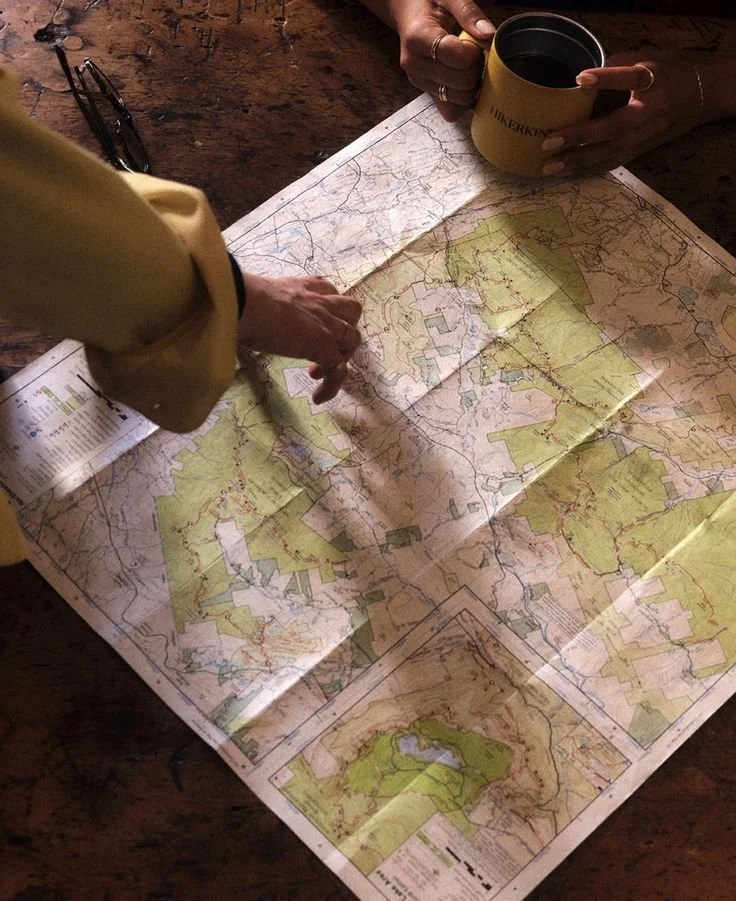
A map can tell you where you are But It can't walk the path for you.
Integrative depth therapy allows us to actually enter the territory,
learning to move through it, trust it, and find your own way home.
you are the traveler, and we are the guides.

What is integrative Depth therapy?
Depth therapy is an approach to healing that takes the whole person seriously — not just your symptoms or your story, but the unconscious forces shaping both.
It's rooted in the understanding that much of what drives our patterns, our pain, and our longing lives beneath conscious awareness: in the body, in old wounds, in the parts of ourselves we've never fully met.
The integrative part means we don't follow one rigid map. We draw on a range of modalities and frameworks, all in service of you and the unique territory of your inner world.

why integrative Depth therapy works?
Most therapy helps you understand yourself, and understanding matters. Sometimes we don't yet know why we do what we do, where our patterns came from, or what shaped us into who we are. Depth therapy creates space for that discovery. But it doesn't stop there.
Because for many of us, knowing isn't the problem. We understand ourselves, sometimes exquisitely, and still something hasn't changed. Still the same patterns. Still the same distance from ourselves. Still the same life.
Depth therapy is interested in what comes after knowing. When insight stops living only in the mind and begins moving through the whole self: the body, the unconscious, the parts of us that were never reached by reason alone. Something shifts when understanding becomes felt, lived, embodied. That's where lasting change happens. Not just in the knowing, but in the transformation that follows.

what does integrative depth therapy look like?
In practice, this might look like slowing down enough to notice what happens in your body when an old pattern activates.
It might mean exploring a dream, sitting with an image, or giving voice to a part of yourself that has never been heard.
It might mean tracing an emotion back to its roots, or simply learning to be present with what's there without immediately trying to fix it.
The work is experiential as much as it is reflective, and it moves at the pace of real change, not quick fixes.
The craft
An integrative approach to therapy means our therapists tailor their work to you - always meeting you right where you are.
Below are some of the methods, approaches, and interventions that we draw from.
To find a therapist who feels like the right fit, visit our meet the team page.
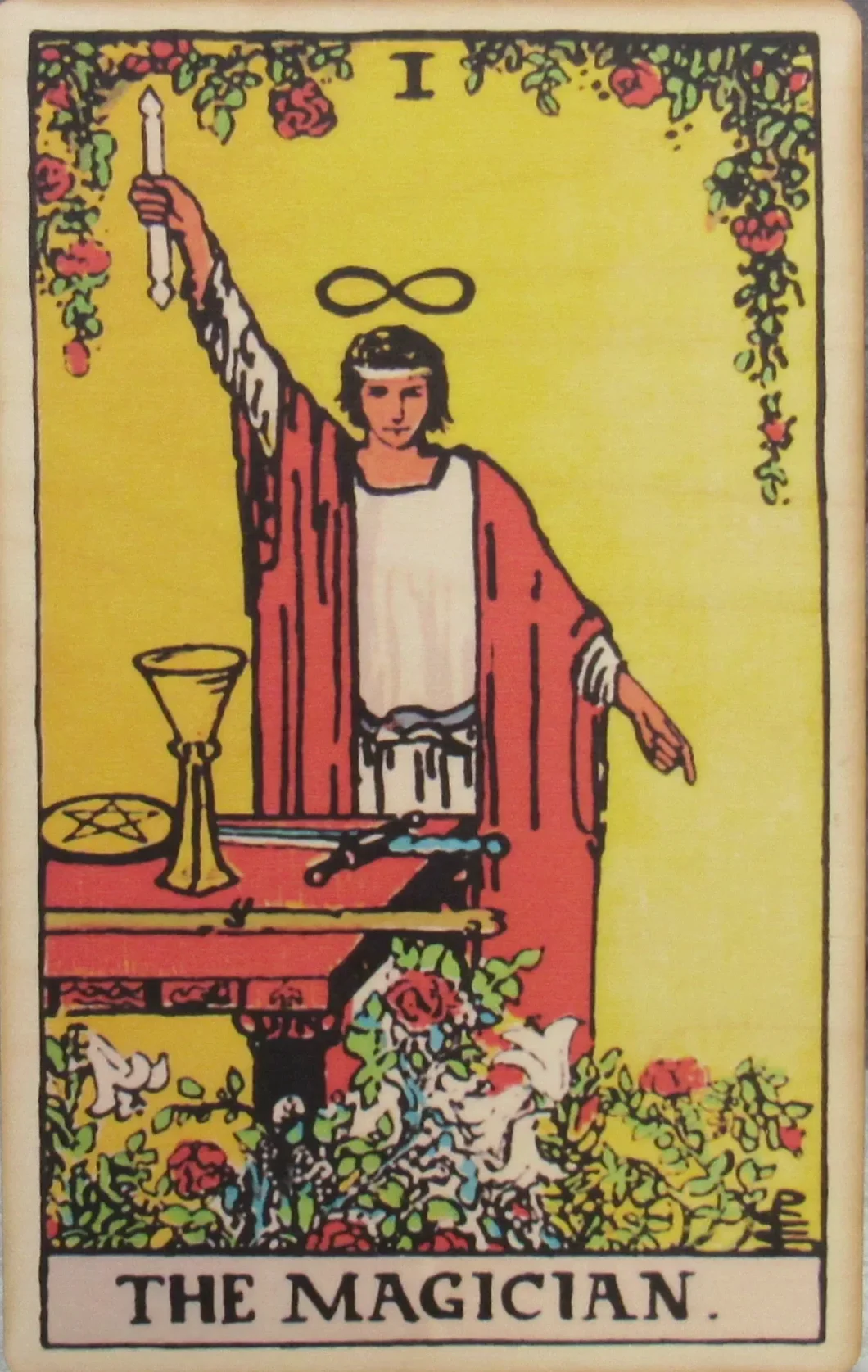
We provide trauma informed and identity affirming care to all.
Hakomi Methodology
Mindfulness Based CBT
Acceptance and Commitment Therapy (ACT)
Attachment & Relational Therapy
Depth & Jungian Psychology
Transpersonal Psychology
Internal Family Systems (IFS)
Feminist & Systems Theory
Here, therapy is deeply human

what do we mean by that?
Therapy here is deeply human because you are. You are not a diagnosis or a set of symptoms — you are a whole, complex, utterly unique person, and that is exactly how we'll meet you.
Our approach is relational at its core: the relationship between you and your therapist isn't just the container for the work, it is the work. Our therapists show up as real, present human beings — warm, genuine, and in it with you.
In a world moving faster and faster — asking us to optimize, perform, and digitize every corner of our lives, we believe therapy is one of the few places that still moves at a human pace. A place to slow down, to be witnessed, to remember what it feels like to be fully alive in your own experience. We're committed to keeping it that way.

soul tending values
-
Therapy here is a genuine human encounter, not a clinical transaction. Your experiences are met with presence and curiosity, giving space to notice, explore, and understand what unfolds in the moment.
-
Every part of who you are and what your experience is is met with openness — no pathologizing, no agenda, no rush to fix or reframe. Just genuine curiosity about who you are and what you carry.
-
Therapy follows your rhythm, supporting your process and making space for your inner guidance every step of the way.
-
We believe that beneath every struggle lives something worth understanding — a deeper pattern, a longing, a truth waiting to be reclaimed. We are committed to going there with you, toward meaning, authenticity, and a life that feels genuinely your own.

curious about the word ‘psychotherapy’ vs ‘therapy?
-
We understand that the word ‘psychotherapy’ might sound fairly clinical — conjuring up images of cold waiting rooms and therapists with clip boards and leather coaches.
We use the word ‘psychotherapy’ intentionally and with deep respect for its origins.
The greek word for soul is ‘Psyche’ and the word ‘therapiea’ means care.
So ‘psychotherapy’ is literally caring for the soul.
Therapy always has been, and is intended to be soul care (not simply mental health management).
It’s part of our mission to reclaim the process of therapy and to bring it back to it’s roots.
Because when individuals heal at the level of soul, the world feels it too.